
What does the Spring budget 2024 mean for property?
Who will be the winners and losers – or won’t it make much difference?
Chancellor Jeremy Hunt delivered what is likely to be his last budget statement before the general election. Housing is a key issue to voters, according to YouGov polls. With a fast-approaching general election, there were predictions that the Spring Budget 2024 could help first-time buyers and boost the housing market. So, were there any vote-winning announcements or did the budget fail to tackle the housing crisis?
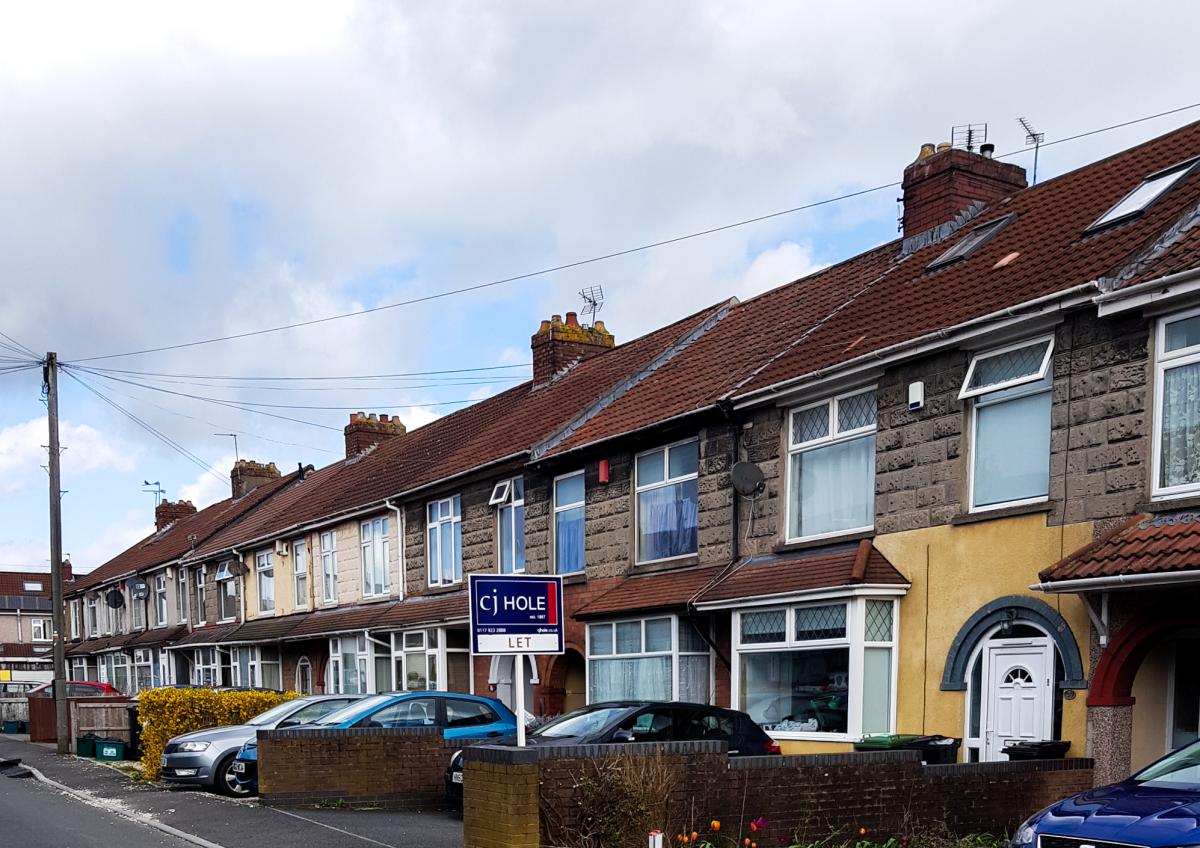
Landlords vs tenants
In some quarters it was suggested the Chancellor might step outside the Tories’ core voter base of homeowners and use this budget to woo young voters. Tenants in Britain were hit by a rent rise of 10% year-on-year in November 2023, the highest increase for a decade, according to estate agents Hamptons. The rent rise been driven by a 25% increase in the number of households renting, Hamptons says. Higher interest rates and steep property prices, mean some millennials expect to rent for the rest of their lives.
Rents are expected to increase by 5% in 2024, according to property portal Zoopla. A significant increase in the supply of private rental homes is required to increase the number of private rentals available. But private landlords have been pushed out of the sector by the scrapping of interest-rate relief on buy-to-let mortgages and the extra three per cent stamp duty on second homes. This has reduced the number of properties for tenants and pushed up rents, say analysts.
Meanwhile, Shelter has accused the Chancellor of failing to protect struggling renters from homelessness in the Spring Budget. Housing benefit or universal housing allowance for private renters has been frozen since 2020 while rents have rocketed. But Hunt failed to reverse its decision to extend the local housing allowance freeze for the 2023/4 financial year. In a statement, Shelter said: “The human cost to those who become homeless will be terrible. But rising homelessness is also expensive for the government: the cost of temporary accommodation for people who are homeless is £1.6bn, up 61% in just five years. In contrast the Institute for Fiscal Studies estimates that the cost of restoring LHA would be £650m.”
Stamp Duty
Arguably among the policies that have had the biggest impact on housing in the last 10 years is the stamp duty shake-up which increased the tax on larger homes. Analysts say it discouraged older homeowners sitting in large homes to downsize, reducing the supply of family homes. Rightmove, among others, is calling for stamp duty reform to boost the property market. But those hoping for stamp duty relief for downsizers or even abolished altogether will be disappointed as there were no announcement.
First time buyers don’t pay stamp duty on properties costing £425,000 or less in a bid to make buying a home more affordable. This is due to reduce to £250,000 in March 2025 and hasn’t been extended, a missed opportunity, say some analysts. Only 4% of homes in London are stamp duty exempt compared to 71% in the north-east.
But instead, the Chancellor announced the abolition of stamp duty relief for those buying multiple dwellings. The tax break made purchases by investors of build-to-rent properties more affordable. Melanie Leech, chief executive of the Building Property Federation, said abolishing stamp duty relief for multiple dwellings will “hinder rather than stimulate” the housing market “at a time when the Government should be doing everything it can to encourage more long-term investment into professionally managed rental homes.”
Capital Gains Tax
Labour leader Keir Starmer has accused the Chancellor of “giving away with one hand and taking back with the other.” In surprise handout for landlords, the government will reduce the higher rate of property capital gains tax from 28% to 24%. Capital gains tax usually only applies to second homes and investment properties, such as buy to lets. It is a tax on the profit made by the increase in value off an asset – such as a house – when sold. “This will encourage landlords and second homeowners to sell their properties, making more available for a variety of buyers including those looking to get on the housing ladder for the first time,” the budget documents say.
Treasury officials believe the tax cut could increase revenues as there will be more transactions. While some estate agents have welcomed the move and say it will release more stock, not everyone is happy. Critics point out this could also lead to fewer private rental homes and higher rents for tenants. Rob Houghton, founder and CEO of Reallymoving, told Yahoo Finance: “Cutting capital gains tax will encourage more landlords who have been sitting on the fence to sell but with the supply of rental homes so limited and record high rents, this is going to make life even more difficult for tenants.”
Holiday lets
Hunt confirmed plans to scrap tax breaks for short-term holiday lets. This is to address concerns that there are not enough properties available for long term rentals because homes are being let out to holidaymakers for a week at a time. The move is expected to raise £300m a year for the Treasury. The furnished holidays lets’ tax regime is “creating a distortion meaning that there are not enough properties available for long term rental by local people,” it says in the budget. Under the now scrapped law, landlords were able to deduct the full cost of mortgage interest payments from their rental income and pay lower capital gains tax if they sold on.
First time buyers
There was no new scheme to make it easier for would-be first-time buyers to get on the property ladder. The Help to Buy Scheme will end on March 31, 2023. There has been calls for the Lifetime Isa (LISA) cap for first-time buyers to be increased but it didn’t happen. At present, people can save up to £4,000 a year and receive a £1,000 top-up from the government, plus interest. But it can only be withdrawn for a home costing less than £450,000 or there is a 25% penalty. In London, the average home costs well above this limit, making the LISA of limited use when it comes to saving for a mortgage. Martin Lewis, a journalist and money saving expert, campaigned to remove the penalty, but this wasn’t announced in the budget.
Most mortgages require at least a 5% deposit. There has been leaks that the government was considering a 99% mortgage scheme, so first time buyers would only need a 1% deposit. Government insiders told the Financial Times it was “likely” the scheme would be included in the Spring Budget. Such a move would be popular with first-time buyers struggling to save for a deposit while paying a high rent. Margaret Thatcher famously introduced a 100% mortgage, helping young people to get a foot on the property ladder. However, when property prices crashed in 2008 some were left in negative equity. 100% mortgages are risky.
“Missed opportunity” to address housing crisis
Overall, the Spring Budget has left industry leaders in the property sector disappointed and frustrated. Some have described it as a “missed opportunity” to boost housing supply and mortgage availability. Ben Beadle, chief executive of the National Residential Landlords Association, said the budget failed to tackle the housing crisis. “Increasing taxes on holiday lets and cuts to capital gains tax will make no meaningful difference to the supply of long-term rental properties.
“With an average 11 tenants chasing every home for private rent, social housing waiting lists at 1.3million, almost 110,000 households in temporary accommodation and the number of firs-time buyers slumping, the budget needed to tackle the housing crisis once and for all. What we got was a deafening silence. This was a missed opportunity to make providing new homes to rent and buy the priority it desperately needs to be.” In a statement Kate Henderson, chief executive of the National Housing Federation, added: “We’re disappointed that this year’s budget was not used as an opportunity to address the housing emergency and chronic shortage of affordable homes across the country.” And she called for an end to “short-term thinking and piecemeal policy decisions” and for government to commit to a “national long-term plan for housing which aims to deliver the secure, affordable, high quality homes local people need.”