
Planning Permission for Beginners
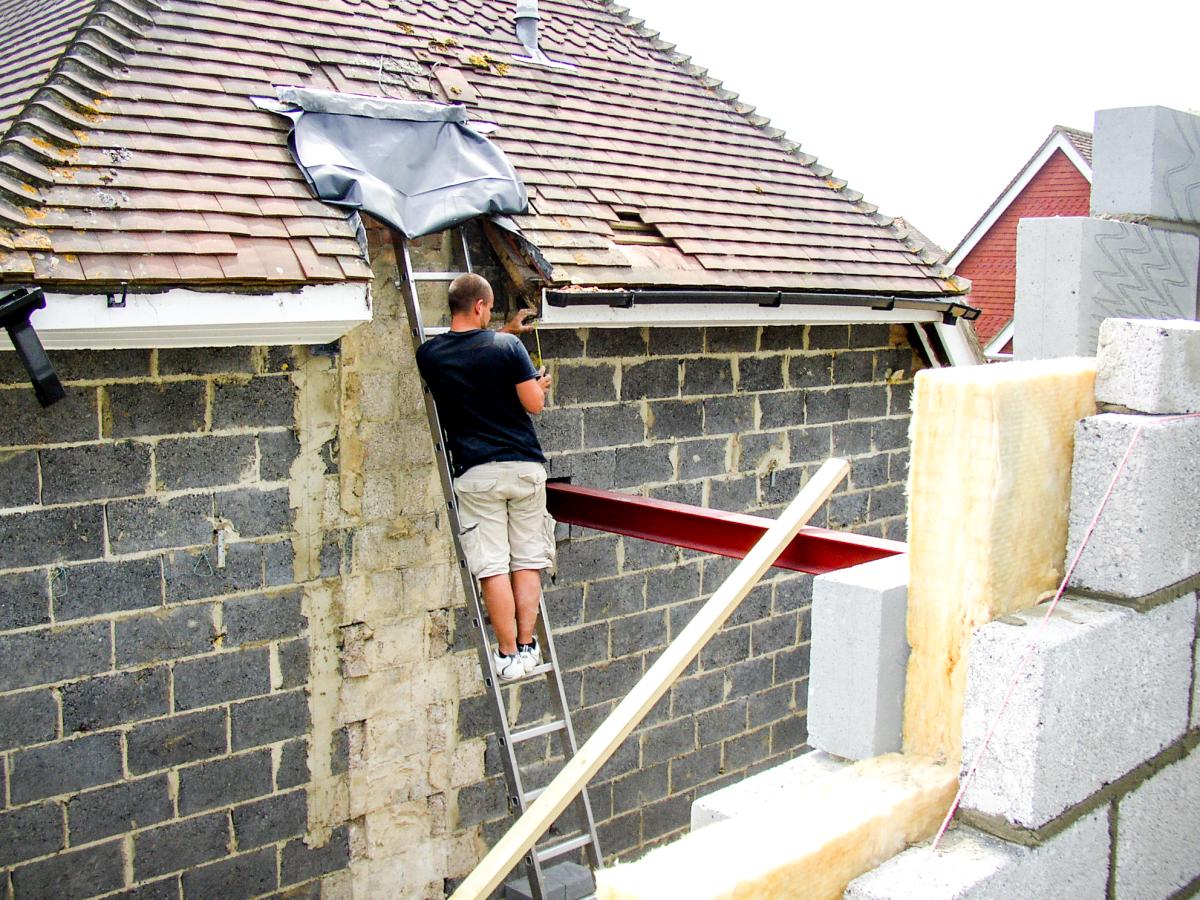
The planning system is there to protect the environment where we live and to stop developers or individuals from building structures or properties which would be inappropriate or detrimental to the surrounding area. On most residential developments there are no hard and fast rules as to what needs planning permission and what doesn’t. There are a set of guidelines in place which need to be followed but these are subject to a raft of codicils and conditions which will determine the eventual outcome of an application for permission to carry out any work. Most of these will be laid down at national level but there may also be local stipulations which need to be taken into consideration.
It is likely that if you are planning to construct a new dwelling house or a large extension to an existing one you will need planning permission but for most others there is no black or white answer, just multiple shades of grey which is why it is wise to get advice either from your local authority planning department or an experienced, local architect at the outset.
Once you have ascertained that you need planning permission then you need to decide what level of information the planning department will need to allow them to consider your application. There are three main types of planning permission that most people will encounter, outline, full and householder.
Outline permission is basically a process which gives an “in principle” agreement that a site is suitable for a particular type of development and requires no real detail beyond an outline proposal. The granting of outline permission will require ‘reserved matters’ such as the size of the proposed house or houses, as well as the design, position within the site, landscaping and site access to be submitted at a later date for further approval before work can take place. If the detailed plans differ significantly from the original outline submission it is likely that there will be a need to submit a full planning application.
Full permission is granted or refused on receipt of detailed plans for a development with all accompanying reports, surveys and searches. Such permissions usually come with planning conditions attached which need to be addressed and formally agreed with the planning authority.
Householder refers to an application for smaller works to alter or extend an individual property within the boundary of an existing property, using a simplified application format. Planning applications will result in one of three outcomes, unconditional planning approvals, approval subject to conditions and refusal. Around 85% of planning applications are eventually approved.
Planning applications can be submitted in two ways. You can submit your application in hard copy format or complete an online application. Either way, the same information requires to be presented. For a hard copy application you would require;
- five copies of application forms
- a signed ownership certificate showing the ownership of the property involved
- a location plan showing the location of the site within the wider area,
- a site plan showing where the proposed development would sit within the site,
- elevation drawings of both the existing property and proposed development,
- a design & access statement or drainage information may not be required as part of a Householder application
- the correct fee
The fees payable for planning applications will vary according to the size of the proposed development. Alterations/extensions to single dwellinghouse or flat including works within boundaries of the property, in other words a Householder application, carries a fee of £258. The fee payable for an application to erect not more than 10 dwellinghouses is £578 for each dwellinghouse. Prior Approval for a house extension undertaken under Permitted Development rights carries a fee of £120.
A full list of fees is normally available on your local authority website or on The Planning Portal. These fees are applicable in England and may differ in Wales, Scotland or Northern Ireland.
Most planning applications are decided within eight weeks, larger or more complex applications may take longer to determine and in these cases the time limit may be extended to 13 weeks. If your local authority turns down an application for planning permission or as can happen, grants it with certain conditions or caveats, it must give its reasons in writing.
If you are unclear about the reasons for refusal or unhappy with the conditions imposed, contact the planning officer handling your application at the local authority planning department. Discuss with your planning office if you are making changes to your plans that might make your plans more acceptable. If your application is refused, you may be able to submit an amended application including any alterations suggested by the planning officer free of charge within 12 months of the decision on your first application. As stated earlier, round 85% of planning applications gain approval, many of those will be as a result of discussion and negotiation with the planning authority.
Many of us applying for planning permission will have little or no experience of the processes or practices and may be unaware of any details in the application which may hinder acceptance by the planning authority. It is often the case that by employing an architect who has this experience and may be known to the planning officers can help to avoid any problems further down the line. It could well be a case of early investment, saving unnecessary expense and worry further at a later stage.