
The Ins and Outs of Listed Buildings
Tips for identifying an ideal renovation property
A listed building is a building, structure, or object that is considered to be of national importance due to its architectural or historical interest. There are two types of listed buildings in England and Wales, Nationally Listed and Locally Listed. The main difference between these buildings is the level of protection they receive and who is responsible for their listing
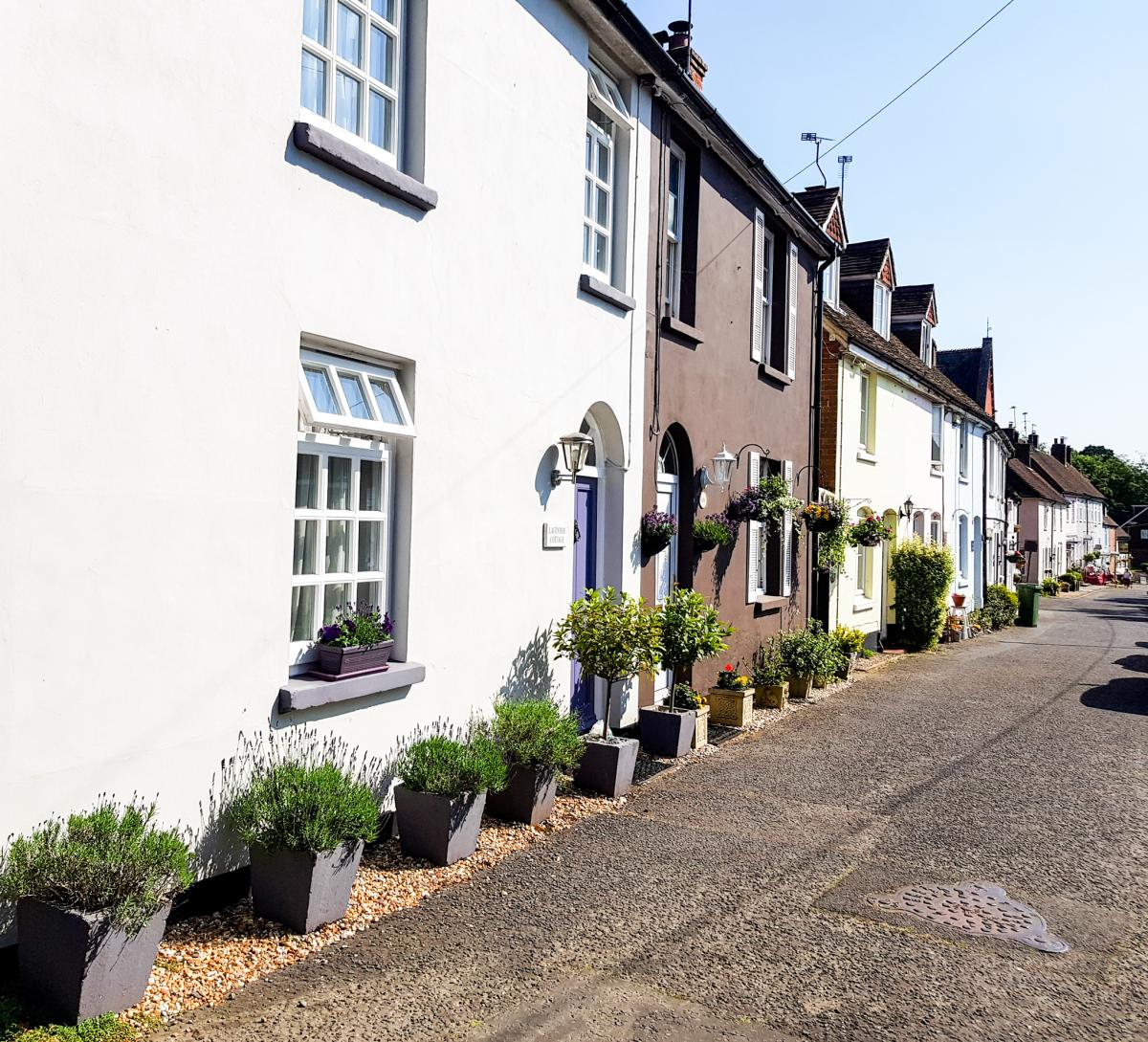
Nationally listed buildings are recognised for their special architectural or historic interest by Historic England and are protected by law on behalf of the Secretary of State for Culture, Media and Sport. All nationally listed buildings are included in the National Heritage List for England (NHLE) which is a searchable database that is available to the public. National Listings applied to buildings, structures, or objects are regarded as permanent and these are not likely to be de-listed
Locally Listed buildings are recognised for their local architectural or historical importance by local authorities. A Locally Listed building is a building, structure or feature which, whilst not listed by the Secretary of State for its national importance, is felt by the local authority to be of local importance due to its architectural, historical or environmental significance. These are not protected by law however, although they will be considered as part of any planning application, and their conservation would be a factor in the eventual outcome of any planning decision.
In England and Wales, buildings are listed under three grades, with Grade I being the highest grade;
- Grade I: buildings that are of exceptional interest
- Grade II+: particularly important buildings of more than special interest
- Grade II: buildings that are of special interest.
Listed buildings in Scotland are the responsibility of Historic Environment Scotland (HES) which compiles its list on behalf of the Scottish Parliament with buildings assigned to one of three listing categories;
- Category A: Buildings of national or international importance
- Category B: Buildings of regional or more than local importance
- Category C: Buildings of local importance,
Although most entries on the lists are buildings such as St Paul’s Cathedral, other listed structures can be as diverse as bridges, monuments, war memorials and milestones, as well as the Abbey Road zebra crossing made famous by the Beatles. The Forth Bridge is an example of a structure designated as being Category A listed by Historic Environment Scotland.
A National Listed Building may not be demolished, extended, or altered in any way without permission having been granted by the local planning authority, which may be required to consult the relevant central government agency. If you want to alter extend or affect the character or appearance of a building of special architectural or historic interest, or even demolish it, you must first apply for Listed Building Consent from your local planning authority. Consent is not normally needed for regular maintenance and 'like for like' repairs such as repainting or redecoration. As a National Listed building is protected by law and carrying out unauthorised works to a listed building is a criminal offence for which individuals risk being prosecuted.
Owners of listed buildings may, in some circumstances, be compelled to repair and maintain them or face criminal prosecution if they fail to do so. When alterations are permitted, or when listed buildings are repaired or maintained, the owners are often required to use materials or techniques specified by the local planning authority as a condition of planning consent.
Locally Listed buildings are not protected by law, therefore there are less requirements on permissions and consent and de-listing of a property may be possible in some cases. Planning permission could be required for any proposed work on a Locally Listed property in the same way as it would apply to a non-listed property. Listed building consent is not required for a Locally Listed property.
Permitted Development Rights in their present format were introduced in the UK in 2015 by the Ministry of Housing, Communities & Local Government and allow certain building works and changes of use to be carried out without the need for a full planning application. These rights also apply to Locally Listed properties in the same way as non-listed properties, however it is advisable to apply to the council for a Lawful Development Certificate before carrying out such works. This certificate documents and confirms that the works were done with the knowledge of the local authority planning department and may be asked for should the property at any time be offered for sale. Council planning decisions known as Article 4 Directions can be used to withdraw certain permitted development rights for dwelling houses including those that are locally listed, so once again worth checking when applying for a Lawful Development Certificate.
Listed Building Consent should not be confused with Conservation Area Consent which may be required before undertaking work on a listed building in a conservation area.
The limits to any work you are able to do to a Nationally Listed building are much more stringent than that of a Locally Listed property and the penalties for breaching the restrictions are potentially much more onerous, so always check to ensure which category a property falls into before making any commitment to buy or develop a listed property. Likewise, ensure that if your property is Locally Listed, that you make it abundantly clear to any prospective buyer as they may be put off by the tighter restriction placed on a Nationally Listed property.
The planning process can be a complicated and time consuming minefield for someone who is a stranger to the application process and the dangers and pitfalls of that process will only be more bewildering to the layman when further layers or regulations such as listed building and conservation area consent are added to the equation. That being the case, it might be wise to engage with the experience and expertise of an architect to whom these regulations are part of his or her daily routine. An architect specialising in listed and historic buildings will be able to take your requirements and convert them into plans which will meet all the planning requirements and give you the outcome you had hoped for.