
Preparing your Garden for Winter
The most attractive gardens are normally the ones where a great deal of time and effort has gone into planting out for the spring months, tending to the plants, shrubs and trees throughout the summer whilst looking after our grass by cutting it regularly and feeding it as we would our plants and shrubs.
As the summer draws to a close, the green leaves turn to vibrant shades of russet brown, orange, yellow and red, before falling to the ground, our gardens begin to need preparation for the onset of winter. It is a time of year when planting out becomes pulling out and pruning back, mulching up, and protecting vulnerable plants in readiness for another season. As with many things in life, early preparation tends to give better results in the longer term and autumn, while the weather is still not at its coldest or wettest, this is the ideal opportunity to spend time in your garden preparing for next spring and summer.
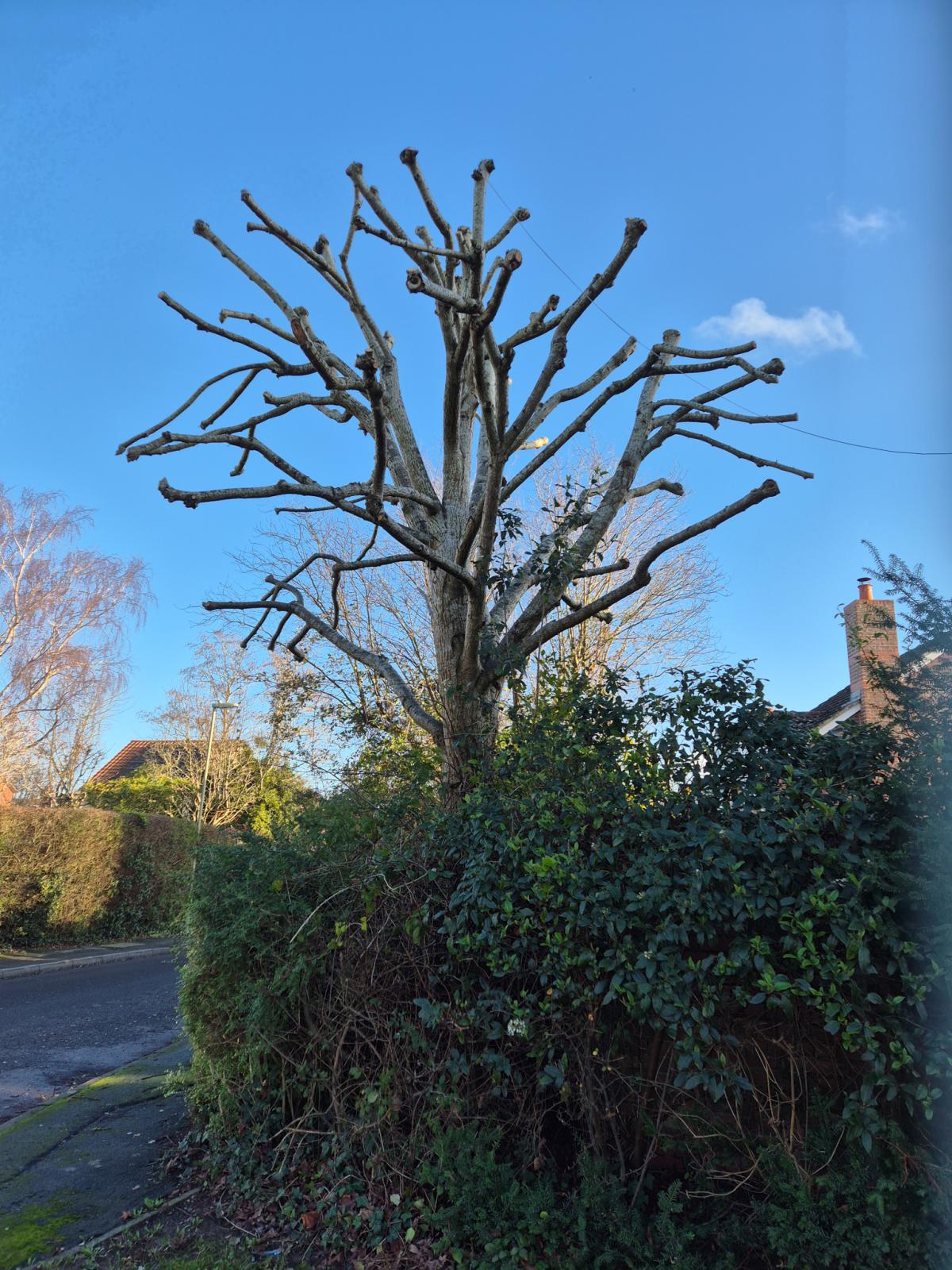
Plants and shrubs fall into three categories, annuals, perennials and evergreens and need to be treated differently at this time of year. Annuals will, by this time of year, have stopped flowering or at best, beginning to wilt and die off. While many of us may be reticent to pull such flowers out when there is still a hint of blossom on then, but it is best to clear out annuals and add them to your compost heap. Perennial last longer and bloom year after year, with evergreens being the most permanent of shrubs, but even perennials will deteriorate over a period of years and some will begin to look woody and straggly if not managed. Some will benefit from pruning to encourage fresh growth but others will need to be replaced and should be taken out at this stage, allowing replacement in the spring.
Some perennials are hardier than others and although many of them are happy to be left out unprotected during the winter months, others are less so and may need some protection to see them survive the colder months. There is a range of products available in garden centres to help us to protect our plants and shrubs during the winter months. You can choose from various gardening fleeces which come in rolls or as bags with draw strings for protecting potted shrubs from frost. Wrapping some bubble wrap round pots can also give protection to the roots of potted plants, with the air trapped in the bubbles acting a barrier between the cold winter air and the roots of the plant.
If there are any potted plants which you think are particularly vulnerable during the colder months, it may be an idea to bring them indoors or move them into a greenhouse if you have one. Also look for plants or shrubs which may be susceptible to the higher winds we can expect during winter and lend them some extra support by tying them to stakes or canes. Mulching your garden beds can also protect your plants during cold winter months. Organic materials such as mulch, wood or bark chippings will give plants added protection against frost as well as possibly adding nutrients to the soil.
A failure to regularly and properly water your plants during the summer months can cause them to wilt, loose there blossom or in extreme cases, die off. Allowing your beds to become water logged or flooded due to the effects of heavy rain during winter months can have an equally detrimental effect on your plants and shrubs as constant flooding can cause plant roots to rot. This can be alleviated by regularly aerating the soil and areas of grass during summer months and this will vastly improve the drainage of the soil. If you have an area of your garden which is susceptible to repeated flooding, it may be worth protecting your plants in that area by building raised beds with adequate drainage built in by using stones or gravel as a bottom layer.
Having aerated your lawn to aid drainage, you may also want to consider applying a low-nitrogen autumn/winter feed. This will promote strong root growth and harden leaf blades to help withstand colder weather and winter frosts in preparation for winter dormancy. Always water the feed into the soil to help absorption, follow the manufacturer’s instructions and don't overfeed as this can weaken the grass by promoting leaf growth rather than strengthening the roots. For the best results it is best to apply autumn/winter feed when the soil is moist or when rain is forecast.
Plants and shrubs are not the only items in your garden that need to be protected from the elements during the winter months. Garden furniture will also benefit from some care and attention to ensure they survive the rigours of the winter. You are unlikely to want to sit out in your garden during the winter months, so it would make sense to store garden furniture in a dry place such as a shed or garage. This may not always be practical with larger pieces of furniture, in which case it is best to cover them with strong waterproof covers, making sure that these are tied down securely. Any cushions should be removed and stored in waterproof covers or bags in a dry area, this helps to avoid mould forming. Before storing furniture it is always best to ensure that the paint or varnish on exposed surfaces are intact and if not, give them a fresh protective coat.
Weeds can be an ongoing problem throughout the year but it is important that you manage them as the winter months take hold. It is always best to pull weeds out where possible ensuring that the weeds you are pulling out, come out from the roots. That may be difficult with weeds growing out of joints in paving or patios so you might want to use a proprietary weed killer. Always use one which will not stain the area around the weed and is less harmful to the environment. You might want to look at using “natural” ways of killing weeds such as vinegar, salt and water, washing up liquid and water or boiling water.
It is also important to remember to keep your patio area, paths and drives clear of fallen leaves and other plant debris during the autumn and winter months. Debris such as this, particularly when it lies wet on these surfaces, can cause staining to the surface it is lying on. It is best therefore to sweep or clear debris away with a leaf blower on a regular basis.
Another aspect of preparing your garden for winter is planting bulbs which will give results in the spring. These may be vegetables such as onion sets and garlic or flowers such as daffodils, tulips, pansies, crocuses or snowdrops, which will give you splashes of colour to cheer you up in early spring. New growth in the garden is the result of preparation work you have completed in the autumn and will remind you that summer is just around the corner.