
How to keep your garden green in a hosepipe ban
Top tips to protect your garden in a heatwave
Many gardeners are hauling heavy watering cans around as another scorching summer puts pressure on water supplies. As hosepipe bans hit parts of the UK due to low rainfall and severe heatwaves, you might be wondering about the best way to take care of your garden. Nick Kilroy, former head gardener to the Bishop of Winchester, shares his top tips for looking after your plants in a heatwave.
Lawn care
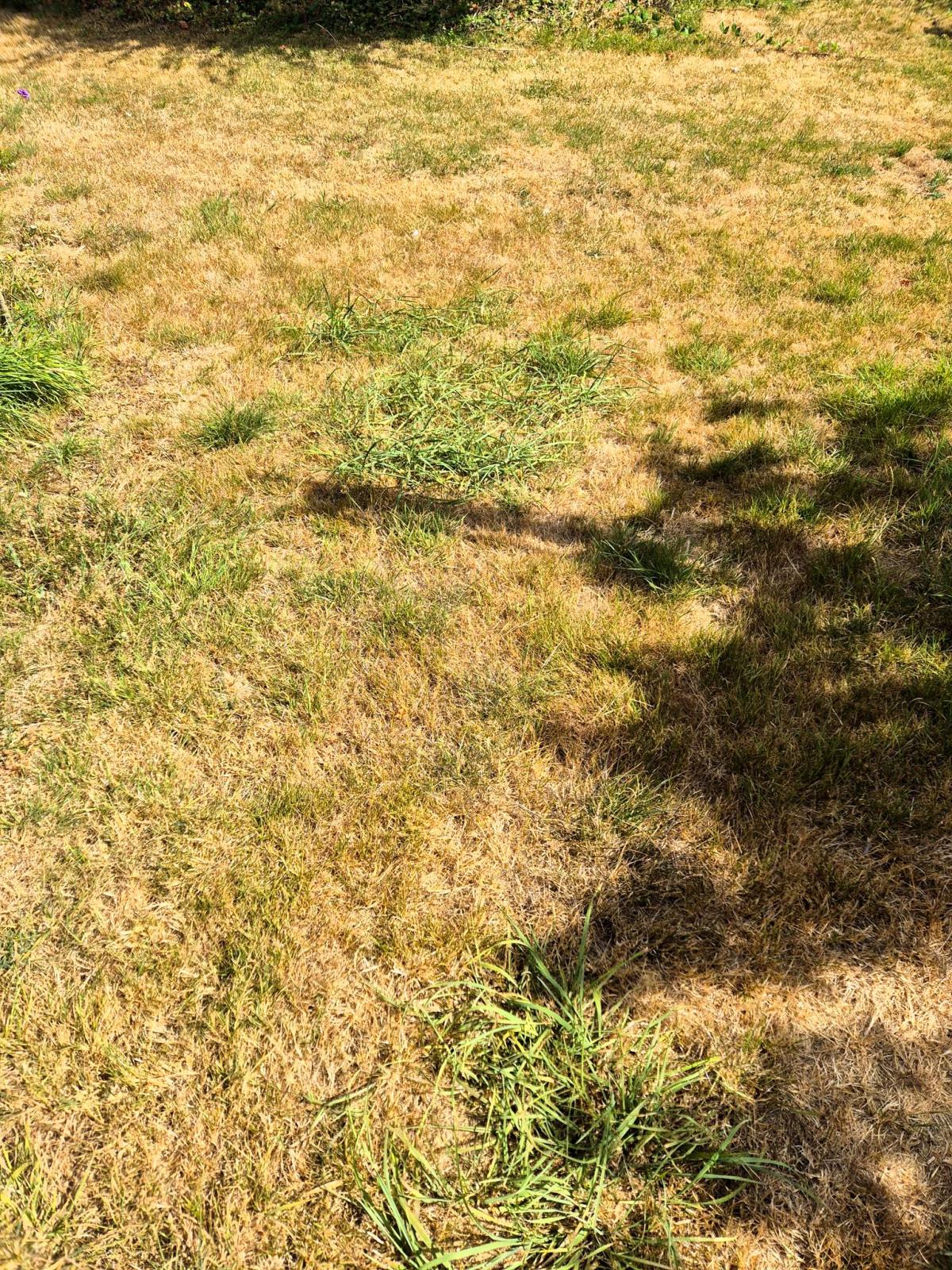
Resist the urge to water your lawn. The grass may go brown and look dead, but the roots are almost certainly still alive. Scorched grass will usually recover and green up again when cooler, wetter weather returns in autumn.
Grass can survive the driest of summers. “Grass is very resilient,” says Nick. “Watering will encourage shallow rooting and watering less encourages roots to seek water lower down into the soil and therefore will be more resilient.”
If you plan to lay turf or seed a new lawn, it’s best to wait until significant rain has fallen and more is forecast.
Another chore you can safely skip is mowing. “Don’t bother to cut the lawn in a drought situation,” says Nick. Longer grass shades the soil, helping it to retain moisture.
When the grass has begun to recover, mow with the blades set a little higher than usual – about 6cm. The Royal Horticultural Society also recommends leaving grass clippings on the lawn to act as a natural mulch, holding in moisture.
Watering wisely in a heatwave
Don’t waste water sprinkling foliage as it evaporates rapidly. Focus on the roots, advises Nick, who tended the historic, two-acre garden at Wolvesey Palace in Winchester for nearly three decades. “Make sure you water well, once or twice a week minimum. Always water to the base of the plants.”
The timing of the watering is also important. Early morning or evening is best, giving each plant a steady soak. If you water in the middle of the day moisture will quickly evaporate and foliage can be scorched.
Don’t worry about plants that are really established. So, trees and shrubs that have been in the ground for a long time should be fine. They may drop their leaves as a coping mechanism to survive but don’t panic.
Focus limited water from a watering can on new and young plants and fruit and vegetables rather than established shrubs and trees. “Plants will tend to show you,” says Nick. “If leaves become smaller, crinkled, or scorched, they need water.”
The expert gardener adds: “Newly planted plants are always vulnerable until established, so water regularly for the first year. Plants in full sun, plants in containers, under tree cover and next to hedges, these will also suffer more in the heat.”
A thorough drenching once or twice a week is more effective than giving plants frequent, light waterings as it encourages their roots to grow deeper into the soil, making them more resilient in a heatwave.
Container-grown plants will dry out faster than plants in the ground. “Put saucers under the pots,” says Nick so any water that does run through the pots is not wasted. Moving containers and hanging baskets to more sheltered or shady places may also help until extreme heat has passed.
Mulch well and improve your soil
A 5-10-cm layer of mulch, such as compost, bark chips or straw, around plants, reduces evaporation, helps soil retain moisture and suppresses weeds. “Mulching is always beneficial,” says Nick. Never apply mulch to completely dry, parched soil. Wait until after a heavy rain or give the ground a deep watering first, then lay the mulch on the wet soil to lock in the moisture.
The RHS also recommends adding organic matter, such as homemade compost, to improve the soil’s water-holding capacity and drainage. This benefits both sandy soils, which drain quickly and clay ones that can bake hard during hot weather.
“Cover the soil with leaf mulch and choose plants well suited to the soil,” adds Nick.
Protecting plants
Before applying mulch, pull up any weeds. They rob your plants of much-needed water in the hottest days. “Removing weed competition for the plants is always recommended,” agrees Nick. The soil may be too hard to hoe easily or pierce with a garden fork. Concentrate on pulling larger weeds, such as dandelions, wherever you see them.
When you’re planting, choose species that suit the conditions. That will give them the best chance of survival. “Place shade loving plants in shade and drought-loving plants in dry areas,” says Nick.
Most gardeners want to give their plants the best care possible. But fertilising during a heatwave can cause problems as they will require more water to absorb and process the fertilizer. Nick says: “I would avoid granular feeds, but liquid feeds are generally fine.”
Don’t forget wildlife. Put out shallow dishes of water with stones so pollinators, like bees and butterflies, can land and drink. Hedgehogs and birds, which eat garden pests like slugs and snails, will also benefit.
Choose drought-tolerant plants
There is much you can do to protect your garden against future heat waves. “Choose Mediterranean plants,” says Nick. Many have deep tap root systems and waxy or silvery leaves to reduce moisture loss, so require less watering. These plants thrive in hot, dry conditions because they’ve evolved to withstand water scarcity. And they can deliver long-lasting colour.
Top picks include lavender, the ultimate drought-tolerant favourite. Once established, it needs very little watering and thrives in sunny, free-draining positions. Salvias have become increasingly popular because they combine vibrant colour with excellent drought tolerance. Many varieties flower from early summer well into autumn, providing months of interest. Like lavender, they’re also a magnet for bees and other pollinators.
TV gardener Monty Don also recommends aromatic Mediterranean flowers herbs, such as rosemary, thyme, oregano and sage.
Sea holly is another good choice for drought conditions, thanks to its spiky blue foliage and exceptional resilience. Ornamental grasses, such as Stipa and Miscanthus, also deserve a place in heatwave-ready gardens. They provide movement and texture with very little watering.
By contrast, classic English cottage garden flowers require regular watering to prevent wilting. Plants that need extra water during a heatwave include fuchsias, dahlias, tall daisies, camellias and lobelia.
Rethink your landscaping
The overall design of your garden can also keep it cooler. One of the ways we can keep our gardens (and our homes) cool is to plant trees, says Nick. Trees provide valuable shade from the harshest sunlight and lower ground temperatures.
Nick also suggests installing some manmade structures. “Consider installing pergolas with climbers to create shade,” adds Nick. For instance, a vine-covered canopy acts like a parasol, cooling the space beneath while protecting both people and plants.
Instead of borders of bare soil exposed to the sun, create a cooler microclimate by planting low-growing ground cover, such as creeping thyme or clover, beneath taller plants. This layered approach shades the soil to prevent moisture loss and insulates against temperature extremes. A carpet of low-growing vegetation can act as a living mulch.
Collect rainwater
This summer’s drought follows a wet winter and spring. Hosepipe bans have highlighted the importance of collecting rainwater for future use.
Installing one or more water butts is one of the easiest ways to save water. Connected to your home’s downpipes, they collect and store rainwater for watering plants. You can then fill your watering can from water butts rather than the garden tap, saving precious mains water.
Consider using “grey water” from washing up and maybe showers and baths on ornamental planting, so long as it only has a mild detergent in it. But don’t top up your garden pond with grey water.
Living under a hosepipe ban is hard work but all is not lost. You may be looking at a withered lawn and wilting roses not used to such long dry spells. By watering more wisely and choosing drought-resilient plants, you can help your garden cope in future heatwaves.