
How to furnish a house with antiques, and why
Before even starting on the ‘how’ of buying antique furniture, it’s worth thinking about the ‘why’. There are so many reasons to choose old. Perhaps the most compelling is economic. New furniture depreciates even faster than a new car (unless it’s high-end designed stuff). The moment you accept delivery, your Swedish flat-pack cupboard or linen-covered sofa becomes … almost worthless. Have you tried selling a second-hand sofa recently? Have you tried even getting rid of one at the tip?
Antiques are different. They can hold their value, or even appreciate over time. Though it’s fair to say that unless you’re lucky or knowledgeable, or wait a long time, you’re unlikely to be able to resell an antique for more than you bought it.
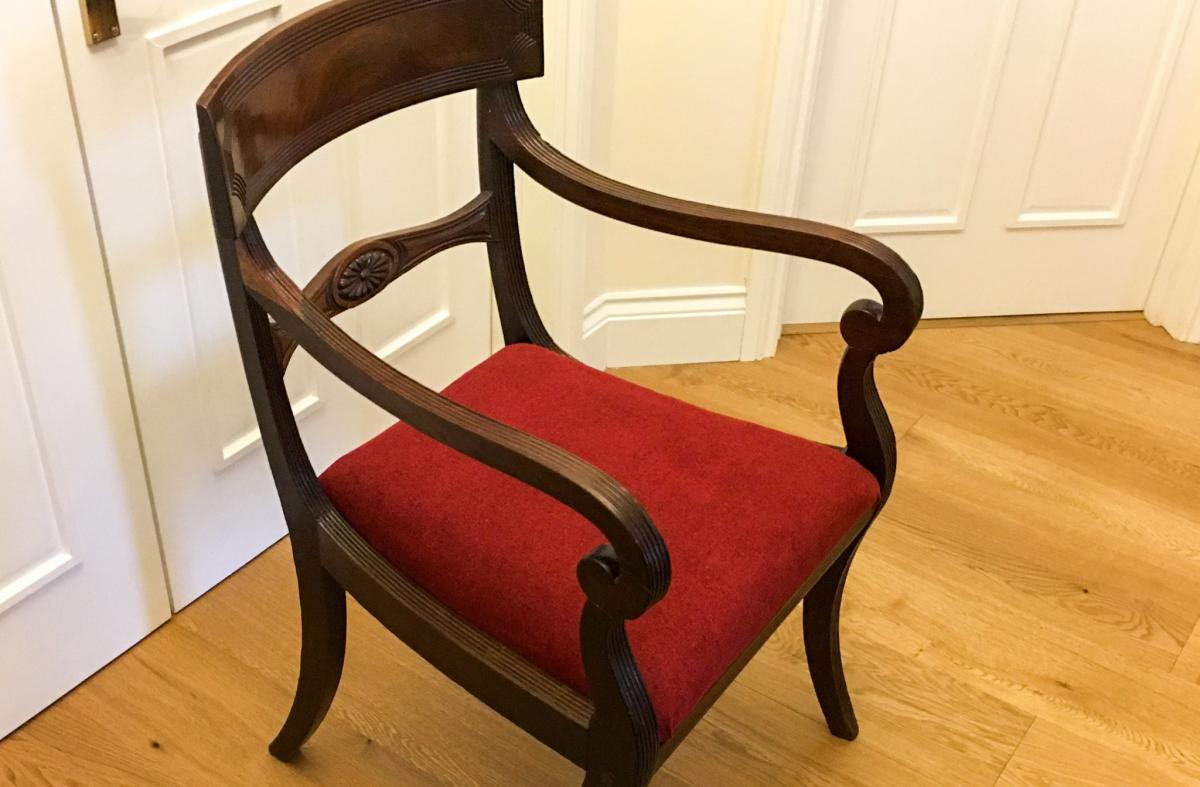
Of course, you may never want to sell it. You may never need to buy again, either. Antiques are typically much better-made than the average modern piece of furniture, which are designed around minimising the costs of materials, manufacturing and transportation. The chipboard inside a modern piece may be good for the first tightening of all the screws, but just try taking it apart and putting it back together again when you move house!
Antiques were built to last. If you commissioned a joiner to make a piece of furniture today, using slow-grown English oak, hand-cut details and proper mortice-and-tenon joints, it would cost a fortune. Yet you can buy it as an antique for not much more than the most basic bit of flatpack – which of course you have to put together yourself.
Antiques are also vastly more sustainable. A modern sofa might be made of tropical woods (sourced who-knows-how) or chipboard (part sawdust and chips, part industrial epoxy resins), or cheap steel (shipped halfway across the world), and it is likely to be filled with fire-retardant foam (which cannot go anywhere except landfill). An antique sofa was probably made using locally harvested timber, and stuffed with equally local horsehair. And at worst, you’ll be shipping it from an antique shop in Wales or Northumberland. It won’t be coming on a heavy-bunker-fuel-powered container ship from China or Indonesia. One study estimated that antique furniture had a carbon footprint 16 times lower than new.
So much for the why. Now for the how. (Although the how is also a why: buying antiques can be really fun!) The main options, in roughly ascending price order, are car-boot sale, charity shop, private sale, auction house, antiques fair and dealer/shop. Of course, many of these categories blur at the edges, and online. And online is huge. Every larger dealer has their own site, and there are many sites grouping antiques dealers together, as well as general marketplace sites ranging from ebay and etsy and sellingantiques.co.uk to more specialised high-end sites such as 1stDibs or vinterior. At thesaleroom.com you can bid online at auctions happening all around the UK. Auctioneers all have their own sites too – and not just the big London names. Get to know your own local auction-house, and get on their mailing list.
With any antique, you do need to look closely. At auction, too, it’s crucial to inspect the lot before you bid. (You can either do this in the morning or on a particular date before the auction opens.) It’s just as important to see what you’re buying if you’re browsing online. You take a real risk if you can’t touch and smell an antique. They are often are not as appealing – or as authentic – in the flesh as they are in the photograph. Or as big. Measure twice – buy once.
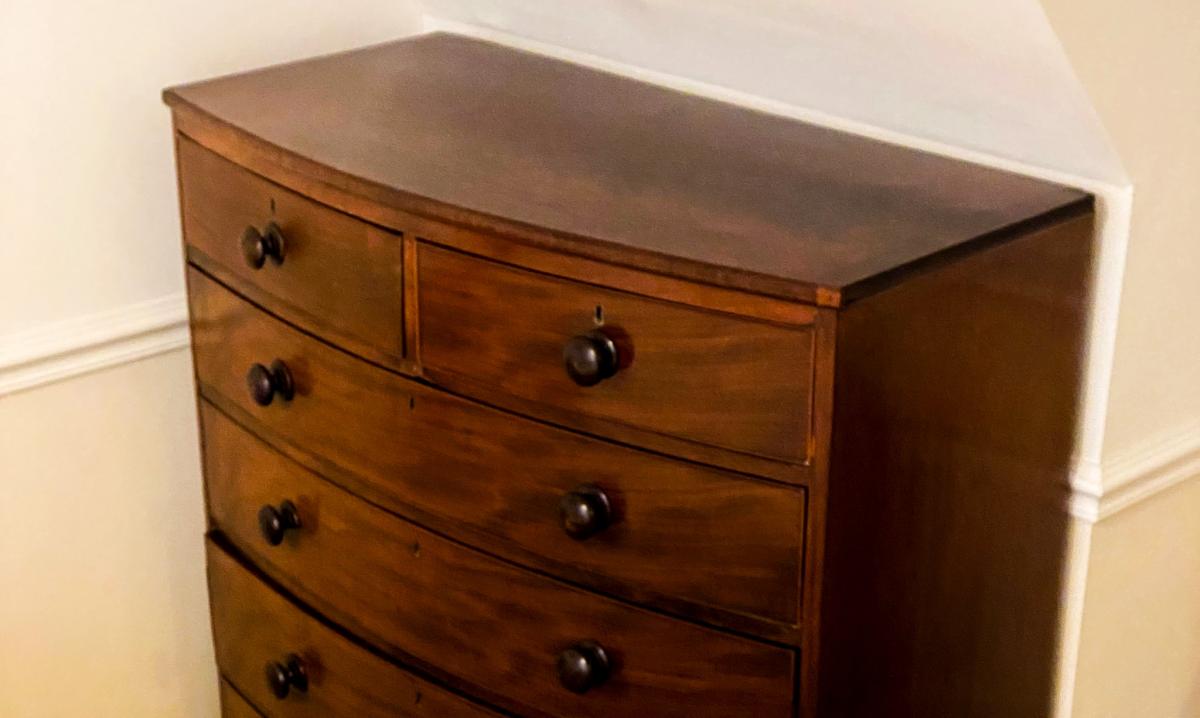
Real “antiques” are 100 years old or more. Anything else is “vintage” (younger than 100 years, including the very popular “mid-century” category) or “retro” (which means newish but in an antique or vintage style). Look out for anything suspiciously perfect – signs of manufacturing or aggressive refurbishment. Antiques smell old; they don’t smell of wood. And they feel different – worn at the edges, especially, or anywhere hands have touched them. Antique tables and wooden chairs in particular have a distinctive waxy rim on the undersides, where they have been rubbed by generations of fingers. Always look behind and underneath, even if it means asking a dealer to move things around. Look for damage and rot and rust and woodworm, and so on. A little comes naturally with age. A lot can be a death sentence.
When you find something you like, it might not be at the right price. Luckily, the antiques trade is one of the last bastions of negotiation in the UK. Some of us fancy ourselves as hot negotiators, or canny bidders, but be careful: an expert will run rings around most of us. You might get a discount because it’s rent day, or because you’re taking a few pieces, but you might just be paying a bit less over the odds. (And if you’re offered a discount for cash, ask yourself why. Not least: why should the antique dealer evade paying tax when you have to?)
Unless you really, really know antiques, and auction prices, you are unlikely to know what a piece is really worth – so decide what it’s really worth to you. At auctions, the standard advice is to decide the maximum you will pay before you start bidding. (And be firm with yourself. It’s easy to get carried away.) The same is true for negotiating price with a dealer.
That said, don’t miss out on something you love because you’re trying to secure a bargain. Antiques can have a lasting value, right through your life – and after it. Children aren’t likely to want to inherit your cheap chest-of-drawers with its bashed-up veneer. They might well be interested in your Georgian tallboy, though, with its character-giving marks. That incredibly smart-looking new white bookcase? It will look shoddy the moment it gets some dings and dents. The gouges and stains on a cherrywood French farmhouse table, by contrast, are its story. They give it that most precious thing: character.
You can be excited by a new bit of furniture. You can enjoy it and appreciate it. But maybe you can only really fall in love with an antique.