
Garden Makeovers on a Budget
A beautiful garden is something that most of us would long for but many of us would perhaps think we couldn’t afford. We therefore make do with what we’ve got and just try to keep it tidy. However, if we use a little imagination and look at a few low cost solutions it’s amazing what can be achieved without spending a fortune.
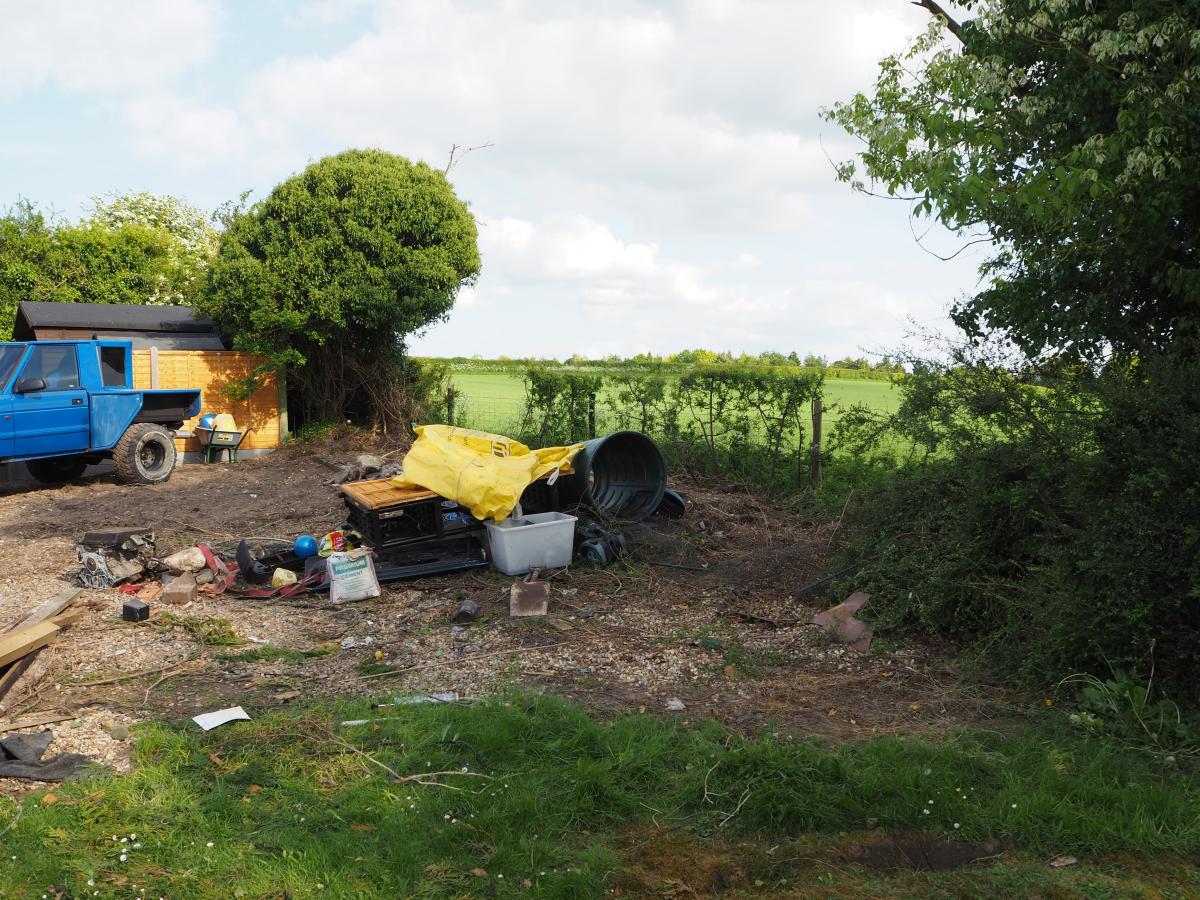
The least expensive, but still very effective, way of upgrading your garden is to look at what you already have and think about how you could improve it. Does that fence need painted? Is there any hard areas such as patios or paths which are showing signs of green algae or black spots which need to be cleaned? Do any of your shrubs or trees need trimmed or cut back or any of your garden furniture need attention? Attending to any of these will make a noticeable difference to your garden and would cost more time than money.
Replacing a fence can be expensive giving your fence an occasional coat of paint or preservative will not only keep it looking fresh but will also help to protect it from the elements and will have the added bonus of prolonging its life. Timber fencing, left to its own devices will attract green algae and it is best to remove that before painting, either with a hose and a stiff brush or a pressure washer if you have one. Once the fence is clean and reasonably dry, brush on your paint or preservative, having first read the manufacturer’s instructions on the tin – some products may warn to keep them away from direct contact with plants and shrubs.
Patio areas and paths with concrete or slabbed surfaces will tend to slowly gather green algae staining or black spots and because this is a slow process over a period of time, it may not be obvious until you move garden furniture or planters from the surface. Before attempting to wash the surface, brush off all leaves and other debris. To get the best results it is advisable to use a pressure washer if you have one or a pressure attachment for your garden hose. Some pressure washers have the facility to automatically mix a detergent with the water but otherwise spray a proprietary patio or path cleaner to the area you intend to clean then wash the area with the highest pressure water you have available. For any stubborn spots or stains, mix white vinegar and water in equal parts and apply with a hard brush.
Garden furniture can be made from a variety of materials with timber still being one of the most popular ones. Timber garden furniture looks very good as timber is a natural material but the down side of that is that it does require regular maintenance to keep it looking at its best. This can be either paint, if you want to brighten up your patio area or a more natural looking water proof varnish. To achieve the best results, sand all loose and flaking material off the furniture and ensure the surfaces are clean and dry before you apply your paint or varnish.
Patio furniture can range in price from a few hundred pounds to a few thousand and may not be in everyone’s budget. Rather than breaking the bank to buy from your local supermarket or garden centre, why not look at making your own furniture. One low cost option is to obtain a few wooden pallets which should range in price from a few pounds to free, depending on where you look for them. Many warehouses or depots have stock delivered on wooden pallets which they then simply dispose of. Some of these sources would happily give you a few used pallets to use in your garden.
To make a simple garden settee which would seat two adults you would need three pallets, two for the base and one for the back. A four seater unit would simply require twice that number. These pallets are likely to be fairly rough timber and any surfaces which would be exposed on the finished article should be sanded untill smooth, preferably using an electric sander. If using a sander, always use adequate protective equipment such as safety glasses, a mask and gloves. As the timber used in pallets would normally be untreated, it would be wise to carefully coat all surfaces with preservative before painting to stop the wood getting damp and rotting unduly.
Lay the two base pallets one on top of the other and screw or bracket them together then create the back by either slotting a third pallet down behind the base or placing it on top of the base, depending on what configuration best suits your needs. To create a four seater unit, simply repeat the process then join both together to form one unit. Three pallets will be reasonably heavy and so for ease of movement it might be best to site the first unit in its intended position then move and attach the second. There are now a range of pre-prepared pallet furniture cushions available from larger DIY Stores and Garden Centres which will offer extra height and comfort to your new furniture. Extra colour can be added by introducing a few scatter cushions of your choice.
Pallets can also be used to construct stools and low coffee tables. It is wise to also sand the timber for these to a smooth finish and coat or paint the finished article in the same way as the seating unit. To create the option of a full table top, remove the slats from the pallet where you want to form the top and push them together. Use extra slats to infill the gaps, reattach them and paint your table. You can paint a few contrasting stripes on the slats if you want to add some more interest.
Upcycling is the “in” thing at the moment, repurposing items such as wooden crates to form plant shelves, old kitchen sinks to create a small water feature, food tins washed and painted and used as matching plant pots. Lengths of guttering can be fixed to a wall and used to grow herbs, while empty glass jars can become homes for small tea-light citronella candles to help keep your table insect free.
No matter what you do to makeover your garden, the focus should always be the flowers and shrubs. These will provide colours and fragrances as well as attracting bees, butterflies and birds and you should always prioritise keeping those fed, watered, trimmed and dead-headed to create the maximum sensory effect.