
Can I take a builder with me on a house viewing?
If you are thinking of doing building work or renovations on a new place, is it okay to take a builder on a viewing? The simple answer is: ask the vendor, but be prepared for them to ask you why. Remember, too, that when you attend a viewing, you are a guest in the vendor’s home, and it is their right to refuse entry to whoever they choose. Naturally, if they object to your builder’s presence, you might ask yourself what they are trying to hide. It is up to you whether you bring them along anyway, in the guise of a partner or friend, or choose to strike that property off your list.
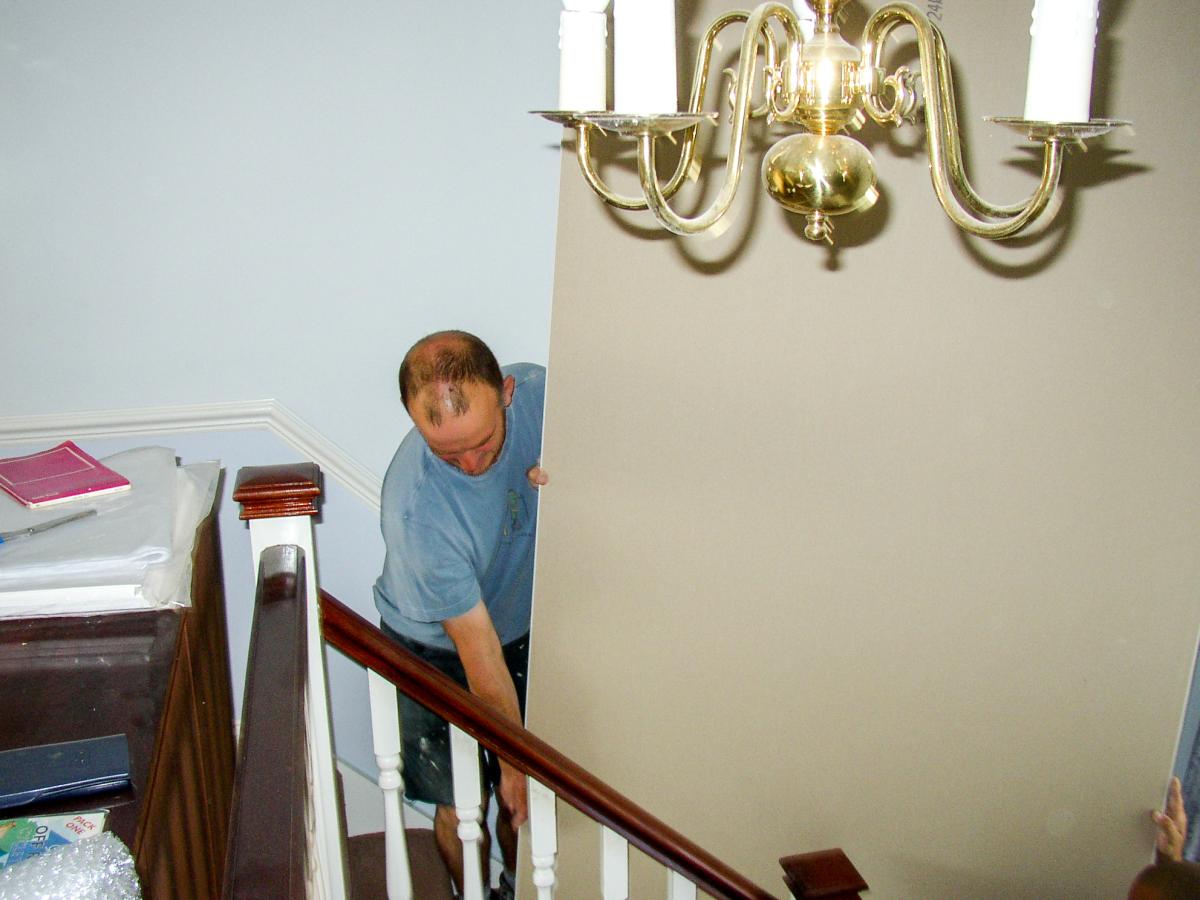
Why take a builder along?
Builders know how to read a building. They will pick up on problems you could miss, like early signs of damp, structurally unsound chimneys and alterations that don’t comply with building regulations. They understand the implications of toilets with weak flushes, the cost of replacing sash windows and when guttering is on its way out. Being armed with this kind of information can help you decide on a realistic offer. It will also help you to work out if you can afford to both buy the property and complete any additional work. If you plan on adding a conservatory or a loft conversion and have budgeted £25,000, a builder might advise you to add a £10,000 contingency once they have seen the state of the land or the roof. This could entirely change your views on the home in question.
If the builder is local, they may be prepared to visit unpaid on the understanding that, should you secure the house and it needs work, you will invite them to quote. They will be taking a risk, though, as any advice they give may ultimately result in you deciding not to go through with the purchase, in which case their time will have been wasted. Don’t be surprised, therefore, if they charge a nominal fee at least. If you source them from a portal, also keep in mind that they may pay a fixed price for the lead, so consider making a direct approach, even if you used the portal to read their reviews.
With all of this in mind, it makes more sense to take a builder with you on a second viewing than the first: there is no point asking their opinion on a house you can write off straight away.
What a builder can’t do
A builder will only be able to perform a visual inspection. They can look in cupboards and, potentially, the loft, but don’t expect them to check wall cavities and drains. They may also be unable to pass judgement on plumbing and wiring unless it is surface mounted, or what is happening on the other side of a party wall. A builder shouldn’t be relied upon in place of a survey, even if you don’t require a home loan for which a lender will often demand a full written survey.
As the builder isn’t the surveyor, their opinion is also just that – an opinion – and as such will be a less useful tool if you want to negotiate a reduction in the asking price. An official written report from your lender’s surveyor will be more effective; especially if, on that basis, your lender has reduced its offer, putting the property out of reach.
The builder will also only be able to provide a ballpark estimate for any repairs, renovation or extensions you want to make. An accurate estimate will require a more thorough survey, which the vendor might not authorise at least until you have exchanged contracts.
Alternatives to a builder
If you choose not to take a builder with you, or the vendor or agent refuses access, there are still several online resources you should check to reduce the risk of any nasty surprises.
Start with your local authority’s planning portal. Enter the property’s postcode and check whether nearby properties have been underpinned or otherwise bolstered against subsidence. Check also whether applications have been made for cutting back nearby trees. If these are protected, the council will be reluctant to permit any trimming, pollarding or wholesale removal, even if there is potential for their roots to cause cracking to or movement of nearby properties.
Structural work and extensions may require the services of an architect, who will also be able to handle permissions and compliance with building regulations. If you are buying a small property on a large plot an architect may therefore be of greater help than a builder – and much of their work can be done with reference to plans. If you are buying a property built within the last few years, or one that has been extended since your local authority’s planning applications were digitised, it will often be possible to download copies of the original plans to which they can refer without accompanying you to the property.
Plenty of options for expert help, but first, you need to find the property!