
Brand new but not always problem free
Hidden hazards of new build homes
New-build homes are often sold as the dream; as an opportunity to put your stamp on a blank slate, high energy efficiency and none of the hassle of fixers-uppers. Unfortunately, that’s not always how it turns out. From a long list of problems that need fixing when you move in to a “patio included” perk that turns out to be just six slabs of concrete, the reality can be very different from the glossy brochure.
Snagging: why “perfect” homes rarely are
As Emma Toms, chief executive of the New Homes Quality Board (NHQB), explains: “New homes are built outdoors, in all types of weather, by many tradespeople. Although care is taken to ensure the home is handed over to the customer with no problems, there can be issues that only become apparent when the house is occupied.”
The National House Building Council (NHBC) is the UK’s leading provider of warranty and insurance for new-build homes and offers a 10-year warranty to builders. For the first two years, the developer must fix minor issues, known as snags, as well as any bigger defects discovered in a brand-new home. Snags might include cracked paint, dripping taps, scratched units or waterlogged gardens. After two years, the NHBC warranty only covers major defects, such as structural or weatherproofing problems.
Snagging lists can “sometimes appear lengthy,” says Toms but this isn’t unusual. Some minor issues, such as cracks in plasterwork, can appear as a building settles or as materials expand and contract with temperature changes.
The best way to make sure any problems are identified is to employ a surveyor to undertake a snagging survey. This visual inspection checks the quality of workmanship. While buyers can carry out their own inspection using the NHQB’s new checklist, it’s worth bringing in a professional as technical knowledge is required.
What’s in the show home may not be standard
It’s easy to fall in love with a show home with high end appliances and luxury finishes. As Toms explains: “Show homes are designed in a manner that helps to market the very best version of the property.” But they often don’t come as standard, so unless you pay extra for top-of-the range kitchens or designer finishes, they’re often not included.
That said, there may be an opportunity for a bit of haggling. “Buyers can sometimes negotiate extras,” says Toms. “For instance, some developers may include flooring or appliances as part of an incentive package, but this will ultimately depend on the specific scheme and broader market conditions.”
Ask about the garden, too. While show home gardens are landscaped, most new build gardens are just bare earth, often without turf. “We always urge buyers to check what is included in their specific home, as layouts, finishes and specifications can vary widely,” says Toms
Under the New Homes Quality Code, developers are required to clearly distinguish between standard specification and optional upgrades. This code has recently been updated by the NHQB.
Check the estate layout – not just your individual plot
It’s easy to focus on the square footage and finishes but the wider development matters, too. On a building site, where the road network is incomplete, it can be difficult to tell if your home will sit on a quiet street or a busy through road. Carefully study the site plan to avoid nasty surprises when the road network is complete.
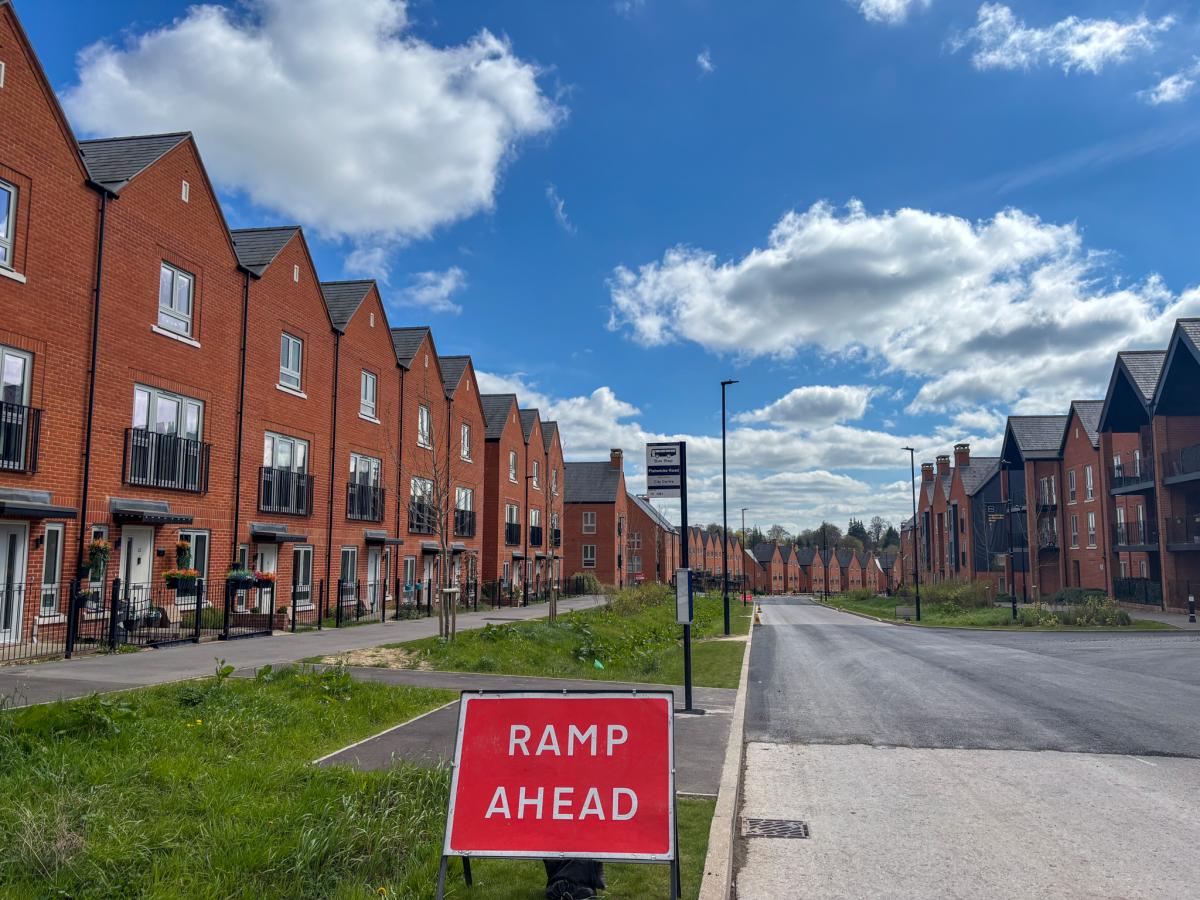
Check the location of communal facilities, such as schools and parks, before reserving a plot. Could school traffic block your drive if your home is next door? Will there be a park behind your home, where teenagers might congregate at night? Or traffic calming ramps just yards from your front door?
Any planned infrastructure may not be finished until years after your move-in date. Toms explains: “Developers typically work on communal facilities in phases.” Making sure you informed of details of the full site plan (not just your phase of the development) as well as your specific plot can avoid nasty surprises. Planning permissions in the neighbourhood can also make a big difference to daily life. For example, there may be plans to reroute a main commuter route through your development or create a link to a nearby motorway. Local searches by your conveyancer should highlight relevant permissions.
Budget for early deposits and additional charges.
New-build homes may allow for lower deposits. But buyers are typically expected to exchange contracts within six weeks, often requiring a hefty 10-25% deposit at that stage. While 95 per cent mortgages are returning from lenders like Barclays and NatWest, buyers face higher risks of negative equity and high premium costs.
Before forking out for the main deposit, buyers usually pay a reservation fee of about £250-£1,000 to take the property off the market. New-build deposits are usually protected against builder insolvency through warranties, such as the NHBC. Delays to building projects are common, which is why new-build mortgages offers can last for up to nine months instead of the standard three to six months. This can make planning move-in dates tricky, especially if children are switching schools.
Ongoing management charges are another key cost. Most new-build housing estates come with these uncapped fees which are charged on top of council tax and can range from a few hundred to several thousands of pounds a year. They typically cover the maintenance of communal areas, landscaping and, in some cases, private roads and street lighting. Cash-strapped councils are often reluctant to adopt new developments.
Ask for a breakdown of any fees before signing on the dotted line. Toms says: “To support the consumer with this, the New Homes Quality Code now mandates a five-year affordability schedule which developers must share with buyers early in the homebuying process, helping buyers be informed on all relevant costs before they commit.”
Warranties may also cover shared facilities, such as sewage treatment plants, or lifts in blocks of flats. Check when these warranties end, as future repairs are likely to be funded by residents through increased service charges.
When and how to complain
Don’t miss the snagging deadline. For the first two years, the builder is responsible for fixing minor issues. If you miss the two-year window, you may have to pay for minor repairs yourself. Under the New Homes Quality Code, a voluntary standard covering about 60 per cent of new homes, developers are expected to resolve snagging issues within 30 days. The warranty then provides cover for major structural issues for a further eight years.
If problems arise, give your builder the chance to put things right first. But if that fails, you may be able to take your complaint to the New Homes Ombudsman Service, an independent body overseen by the board of the NHQB. To access this service, your developer must be signed up to the New Homes Quality Code, which most of the big housebuilders are, including Cala Homes, Taylor Wimpey, Barratt and Persimmon.
Red flags to watch for
A lack of transparency is the biggest red flag. says Toms. “If details about the final price, specifications or timelines are unclear or keep changing, proceed with caution.” Unwillingness to provide warranty details or allow pre-completion inspections or independent snagging surveys should also set alarm bells ringing.
The New Homes Quality Board publishes an annual customer satisfaction survey comparing housebuilders’ performance. The survey is sent to buyers of new-build homes twice, once at eight weeks and again at nine months after legal completion. They are asked if they are satisfied with the standard of finish in their home and the service provided by their builder since moving in. The results allow buyers to compare how different developers are performing. In the 2026 survey, 90 per cent of buyers reported being satisfied with the quality of their home.
Asked to give buyers advice, Toms says: “Take time early to understand who you are buying from, how the development is laid out, exactly what is included in your home, whether the developer is committed to the New Homes Quality Code, recent reviews from customers and developer performance through customer satisfaction survey results.”