
Being hedgehog friendly
Over the past few years a number of species of birds, insects and rodents and other species have dwindled in number, many because of changes in their habitat. These changes may be because of the effects of global warming, others caused by human interventions such as construction, chemical usage in farming and in some cases, deforestation.
There are a number of species in the UK which are declining in numbers, some of which are now protected by law. Hedgehogs are not legally protected at the moment, but their numbers are decreasing substantially. Not many of us come into contact with most of the protected species and can therefore do little to influence their protection other than hope that the legislators use their authority to protect them on our behalves.
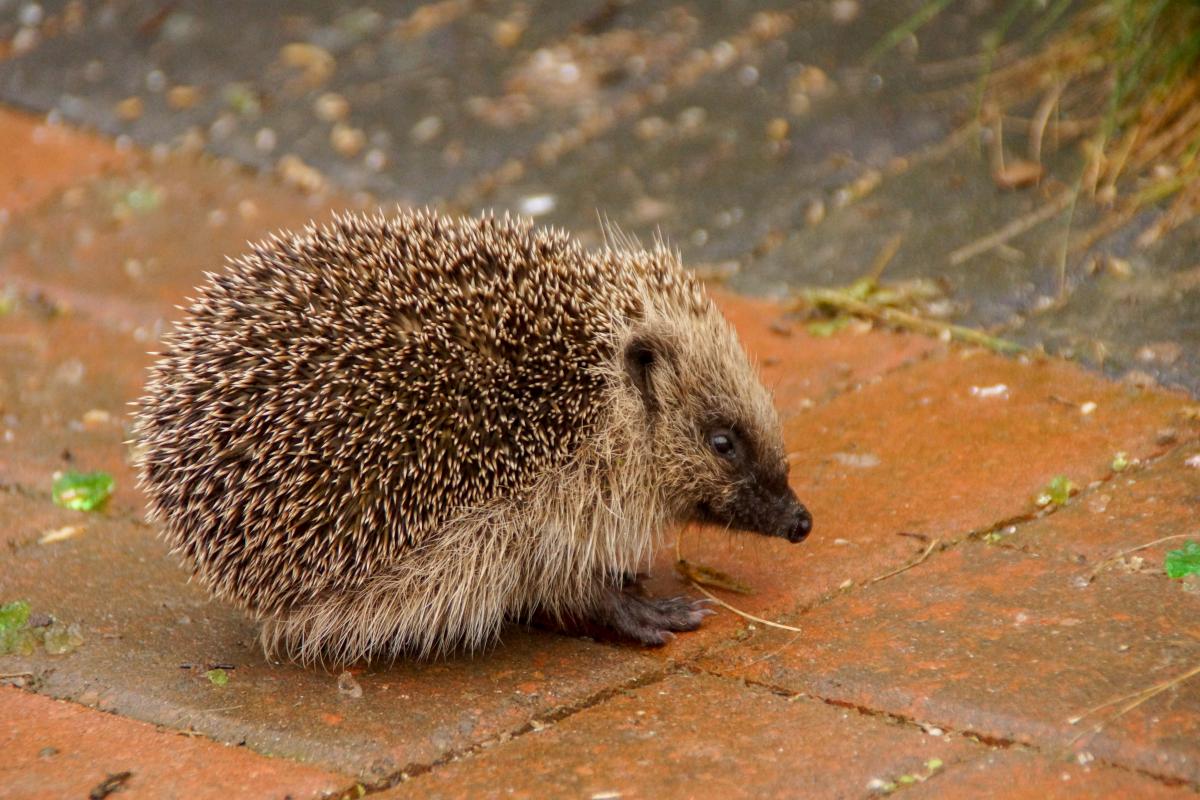
This is not the case with hedgehogs. With their numbers being in decline, hedgehogs do have some degree of legal protection in the UK but this falls short of full legal protection. Hedgehogs were once a common sight in UK gardens often seen foraging for food in the early hours of the morning. Hedgehogs are now disappearing from our gardens at an alarming rate, with estimates putting the decline at somewhere around 30% in the last decade
Hedgehogs also differ from many other protected species in as much as many of us still see them or are aware of their presence on a regular basis, often in our own gardens. This gives us an opportunity to influence their habitats and hopefully help to decrease their decline in numbers. Hedgehogs are also fairly cute little animals and children in general love to see them around, so it does no harm to involve them in looking after our spikey little visitors. Hedgehogs tend to be nocturnal, so most of their visits may be at night when children are in bed. Fitting a low cost wildlife camera to an area where you would expect to see your small visitor would give children the opportunity to watch them as they enter or leave the garden or eat their food.
If you are happy to see hedgehogs in your garden, you can actively encourage them by making it easy for them to get in and out of the garden by giving then easy access. This can be provided by cutting a 13cm x 13cm (5x5 inch) hole at the bottom of either your garden fence or gate. Having given them easy access to your garden you need to ensure that the garden is a safe space for them. You would need to take care when using garden chemicals or slug pellets in particular as slugs are a part of the hedgehog’s staple diet. If you have a water feature or pond in your garden ensure that it is not easy for a hedgehog to fall into them or if they do happen to fall in they can easily get back out again.
Hedgehogs naturally enjoy a varied diet of insects such as beetles, caterpillars, worms, slugs, and other common insects. They normally locate food using their exceptional sense of smell, which allows them to detect prey buried underground or hidden in leaf mould used for composting. Hedgehogs use this highly developed sense of smell, as their principal means of finding food. They can detect the smell of insects, earthworms, and other insects, as well as the scent of food left out for them. They can follow scent trails, which allows them to explore new areas or find their way back to feeding spots they have used in the past. If a hedgehog finds food in your garden, it's likely to return, and other hedgehogs may follow scent trails it has left. They may also learn to associate garden features such as compost heaps or log piles as food sources. Some hedgehogs are known to visit the same gardens every night whilst others, especially males will forage further afield.
Often in hot, dry weather the ground can become dry and hard, making it difficult for hedgehogs to forage as they normally would when they are looking for food naturally. This is why it can become important to complement their normal source of food by providing them with extra food. This can be specially formulated hedgehog foods which are ideal food sources as they provide the right balance of nutrients, vitamins, and minerals. Our spikey diners are also known to enjoy sunflower hearts mixed with their food and a small shallow bowl of water will make sure they remain hydrated when natural water sources dry up due to hot and dry weather. Leaving food out for them regularly will give them a reliable food source that they will sniff out using their remarkable sense of smell. Avoid feeding bread or milk to hedgehogs as this can cause them to develop digestive system problems.
Depending on the size and layout of your garden it might be possible to leave a small area largely tended, allowing grass to grow longer and weeds to flourish, possibly adding a small log pile, this would give hedgehogs an area to potentially sleep or forage for food. You could also consider buying a hedgehog house, either instead of, or as well as a wild corner of your garden. Positioning a custom made hedgehog house in your garden offers a safe space for our spikey friends to shelter from hazards such as cold weather, garden tools and predators and shelters food left out for them from the elements.
Having created a safe environment for hedgehogs, you should do your best to maintain your garden as a safe haven for your spikey visitors. Make sure that when using garden chemicals such as weed killers, you select a pet or wildlife safe variety. As a nation of dog lovers, we should always remember that, in common with some humans, small mammals such as hedgehogs can feel very threatened by a large unruly dog. It would be wise to exercise a sensible degree of pet management in your garden, especially in the evening and hours of darkness when hedgehogs are most likely to be out foraging for food. Taking simple measure like these will help to ensure that you and your hedgehog friends live in harmony in your garden, to your mutual benefit.